Why Corporate Cookie Decorating Team Building Works
The fastest way to tell whether a team-building event is working is simple - listen to the room. If people are checking email under the table, giving polite half-smiles, or waiting for it to be over, the activity missed the mark. Corporate cookie decorating team building feels different because people relax almost right away. There is something about icing, color, and a table full of cookies that lowers defenses and gets real conversation going.
That matters more than it may seem. Teams do not connect because someone told them to bond for an hour. They connect when they share a moment that feels light, welcoming, and just challenging enough to be interesting. Cookie decorating hits that sweet spot. It gives everyone something to do with their hands, something to laugh about, and something they can feel proud to show off at the end.
What makes corporate cookie decorating team building so effective
A lot of workplace activities ask people to perform. They have to speak up fast, compete, solve something under pressure, or act outgoing in a room full of coworkers. That works for some groups, but it can shut others down. Cookie decorating is more approachable because it gives every personality type a way in.
The naturally social person starts chatting across the table. The quieter teammate can focus on technique first and join the conversation as they get comfortable. The detail-oriented employee gets into patterns and precision. The big-picture thinker starts brainstorming themes and color combinations. Everyone participates, but not everyone has to participate in the same way.
That balance is a big reason these events work so well for mixed teams. You are not forcing a single communication style on the entire group. You are creating a shared experience where people can show up as themselves.
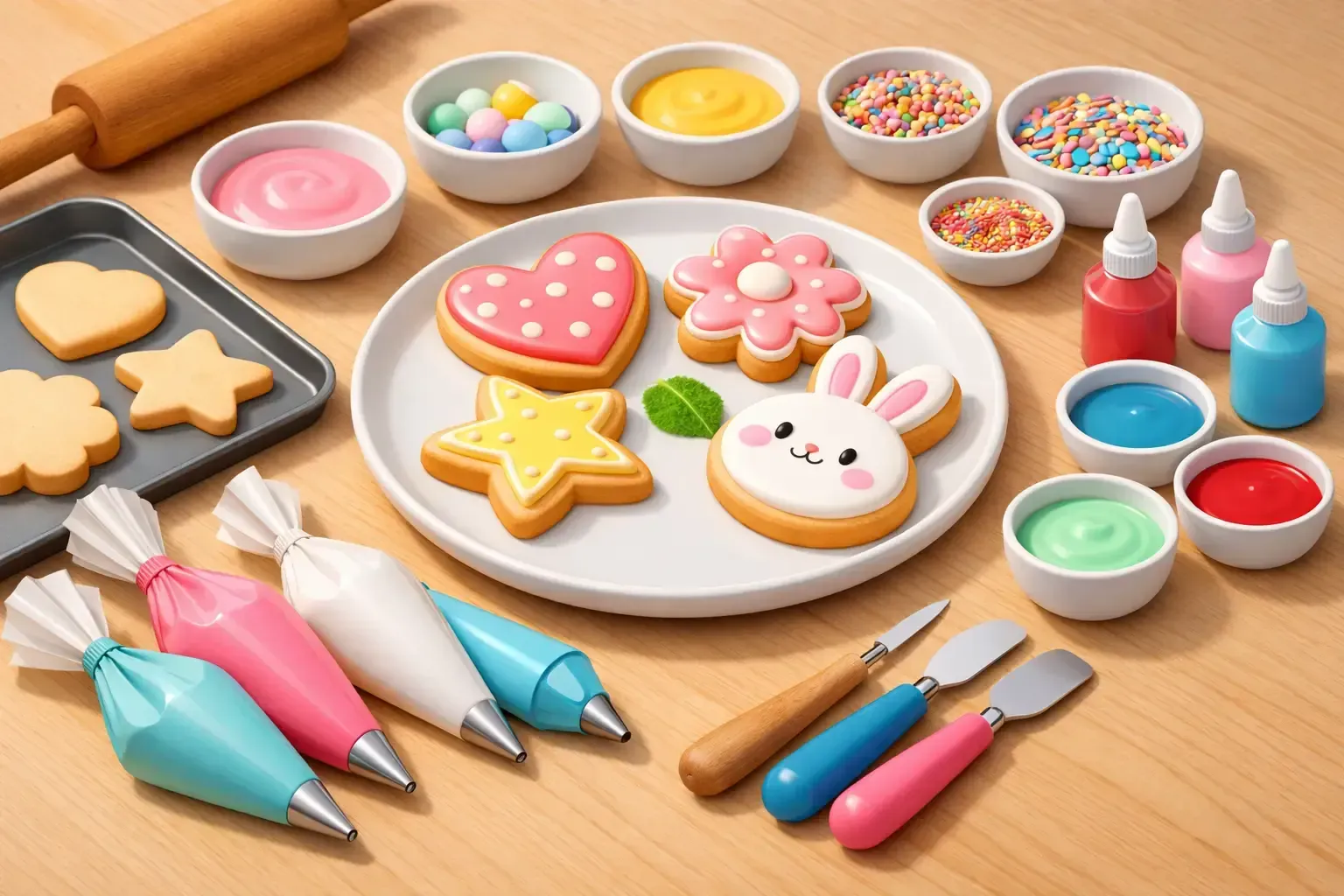
There is also a built-in sense of progress. At the start, everyone is looking at a plain cookie and a few icing bags. By the end, they have created something colorful, personal, and often surprisingly impressive. That visible before-and-after moment gives the event momentum. It feels rewarding without feeling high stakes.
Creativity changes the energy in the room
Most people spend their workday making decisions inside deadlines, systems, and expectations. A creative event offers a break from that pattern, but the best ones still give enough structure for people to feel supported. Cookie decorating does both.
With guided instruction, participants are not left wondering what to do next. They learn a few techniques, try them in real time, and then make the designs their own. That combination matters. Too much freedom can make beginners feel nervous. Too many rules can make a creative event feel rigid. A good class keeps it friendly, clear, and open-ended.
Once people start decorating, the tone of the event shifts. Coworkers trade tips. Someone discovers an easy piping trick and shares it with the table. Another person leans into humor and creates the cookie everyone talks about. Small wins build quickly, and those moments often carry more connection than a formal icebreaker ever could.
For HR teams and office organizers, that is part of the appeal. The activity creates interaction naturally. You do not have to force networking because people start helping, complimenting, and encouraging one another on their own.
Why cookie decorating works for in-person and virtual teams
One of the biggest challenges in company culture right now is that many teams are not in the same place. Some are fully remote. Others are hybrid, with a few people in the office and the rest spread out across multiple cities. That can make event planning harder, but cookie decorating adapts unusually well.
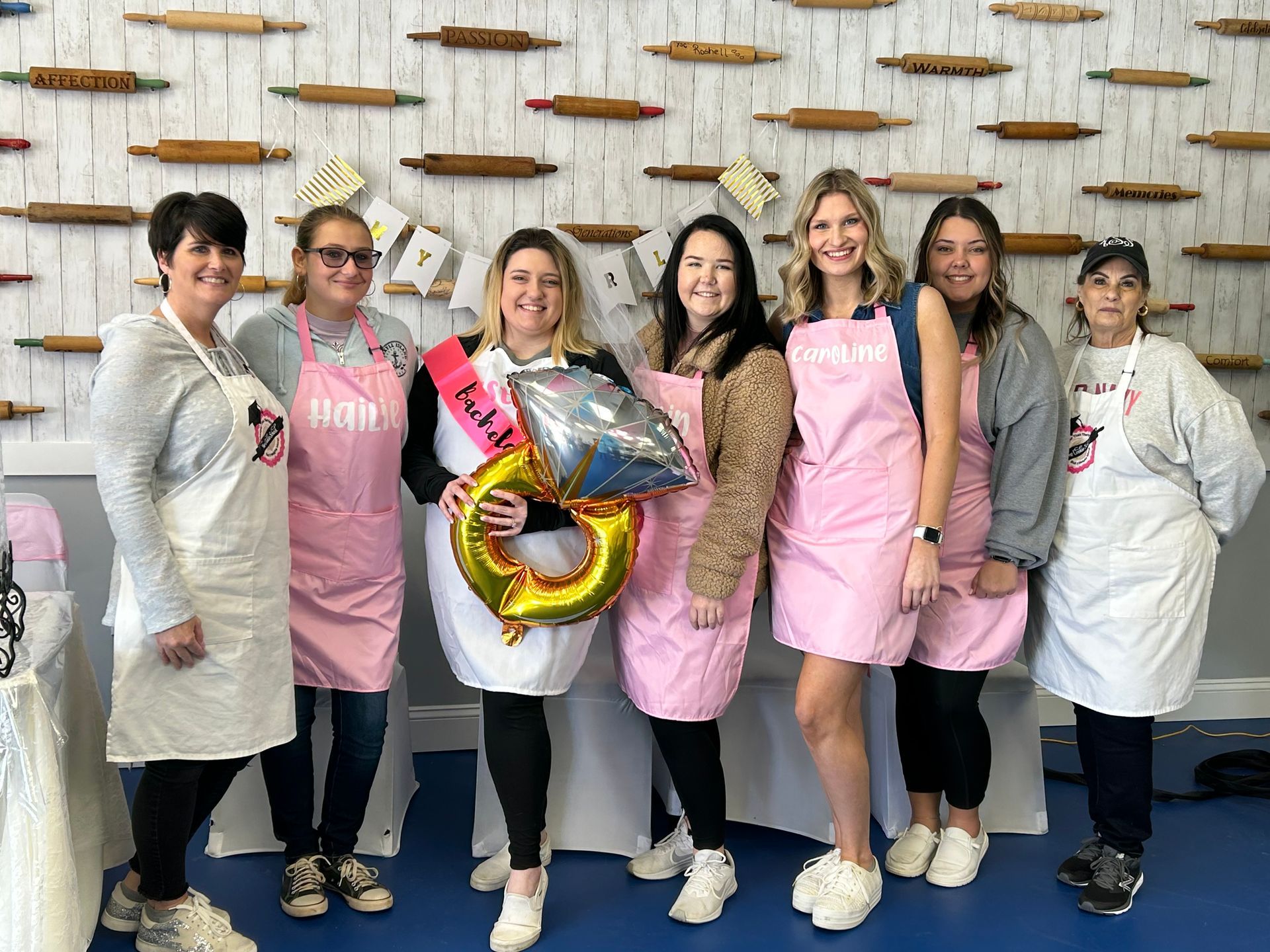
In person, it brings people around the same table in a way that feels celebratory rather than corporate. The setup is colorful, hands-on, and immediately inviting. It works for department outings, client appreciation events, leadership retreats, and holiday gatherings because it feels polished without feeling stiff.
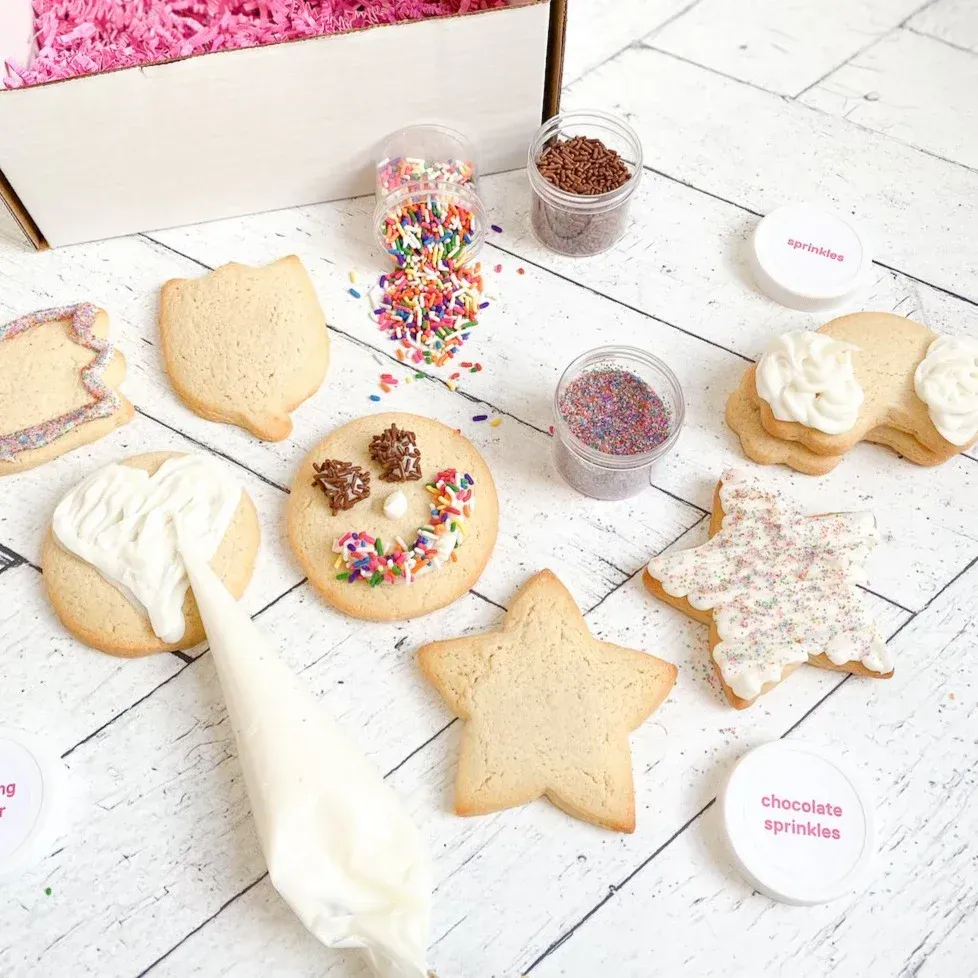
Virtually, it solves a different problem. Remote teams often need something more engaging than another video call, but not every activity translates well through a screen. Cookie decorating does because each participant has their own kit, their own workspace, and an instructor guiding the group step by step. People can still chat, compare designs, and laugh at the inevitable icing mishap. The distance matters less because everyone is doing the same thing together in real time.
That is why this format has become such a strong option for nationwide teams. A shipped kit plus live instruction turns a scattered group into a shared experience. It feels personal, not generic.
The real team-building benefits are bigger than the cookies
Yes, people leave with decorated treats. But the strongest outcomes happen in the in-between moments.
A relaxed activity can soften hierarchy for an hour. Managers and team members sit side by side trying the same techniques. People who rarely work together start talking. New employees get a natural way to join in without being put on the spot. Those interactions may seem small, but they can shift how a team feels afterward.
There is also value in doing something imperfect together. Not every cookie comes out exactly as planned, and that is part of the fun. People adapt, improvise, and laugh it off. In a work culture where everything can feel measured, polished, and performance-driven, that kind of low-pressure creativity is refreshing.
It also helps that participants leave with a memory tied to the people around them. A meeting disappears into the calendar. A cookie class tends to stick. People remember who made the wildest design, who was unexpectedly great at piping, and who kept sneaking extra sprinkles. Shared memories are what help teams feel more human to one another.
How to plan a corporate cookie decorating team building event well
The best event starts by matching the format to your group. A smaller team may love a cozy, interactive class where everyone can chat easily. A larger company gathering may need a more structured flow with clear instruction and enough time for socializing. Neither is better. It depends on your headcount, your goals, and whether the event is meant to feel festive, appreciative, or collaborative.
Skill level matters less than many planners assume. In fact, beginner-friendly experiences often work best because they put everyone on equal footing. No one needs baking experience to enjoy decorating. What people do need is simple guidance, quality materials, and an atmosphere that feels welcoming rather than intimidating.
Timing is worth thinking through, too. A midday event can break up the workweek and boost morale. An evening event may feel more celebratory, especially around holidays or year-end appreciation. If your team is remote across time zones, you may need to think carefully about shipping windows and start times so everyone can participate comfortably.
Customization can make the event feel even more connected to your company. Seasonal themes, branded colors, milestone celebrations, or a simple message tied to your values can help the experience feel intentional. At the same time, it is smart not to overbrand it. People still want the event to feel fun first.
What employees actually want from team building
Most employees are not asking for a dramatic trust exercise. They want something enjoyable, well organized, and easy to join. They want to feel included whether they are naturally outgoing or not. They want an activity that respects their time and gives them a reason to smile.
That is where cookie decorating stands out. It is interactive without being awkward, creative without being intimidating, and social without requiring everyone to be the center of attention. It invites people in gently, which is often exactly what a team needs.
At Cookie Nip Studio Kitchen, this is the heart of the experience - expert guidance, a warm welcome, and a shared activity that feels celebratory from start to finish. For companies trying to create stronger connection in a way employees will actually enjoy, that combination is hard to beat.
The best team-building events do not try too hard to manufacture chemistry. They make room for it. Put people around cookies, icing, and a little creativity, and connection tends to show up all on its own.